
Dry Steam Cleaning Solutions for Food Packaging
Fruit juice packaging lines, Fruits and vegetables packaging line, Pasta packaging lines, Pastry packaging lines
In the food processing industry, the packaging process is essential for preserving the integrity, edibility, and shelf life of the packaged product.
In the food processing and packaging industry, cleaning and disinfection are not just routine procedures, but fundamental pillars for ensuring food safety, regulatory compliance, and consumer health protection. The presence of pathogenic microorganisms, chemical residues, or physical contaminants can compromise product quality, shorten shelf life, and even pose serious risks to public health.
Regulatory agencies, such as the FDA in the United States, the EFSA in Europe, and COFEPRIS in Mexico, require strict hygiene standards at all stages of the production chain. Failure to comply with these standards can result in financial penalties, mass product recalls, and even the temporary or permanent closure of facilities.
Dry steam is a technology that not only optimizes cleaning processes but also ensures compliance with the highest standards of quality and hygiene.
What is dry steam and how does it differ from wet steam?
Dry steam is water vapor that contains less than 5% moisture. Unlike wet steam, which has a higher water content and can leave residue or moisture on surfaces, dry steam evaporates quickly, leaving areas clean and dry almost instantly.
This feature makes it ideal for applications where residual moisture can be problematic, such as on electronic equipment, sensitive surfaces, or in environments where immediate drying is required.
Key benefits of dry steam in food packaging
Reduced use of chemicals
Dry steam eliminates bacteria, viruses, and fungi without the need for large amounts of detergents or chemical disinfectants. This not only reduces costs, but also minimizes environmental impact and worker exposure to potentially harmful substances.
Low water consumption
Using dry steam requires much less water compared to traditional cleaning methods. This translates into significant resource savings and less wastewater generation, aligning with sustainable practices.
Thermal shock as a disinfectant
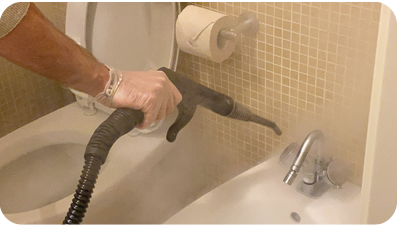
Dry steam reaches high temperatures, generally between 248°F and 356°F, causing thermal shock in microorganisms and effectively eliminating them. This process is especially useful for disinfecting equipment and surfaces in the food industry, where hygiene is critical.
High-temperature cleaning power
The combination of high temperature and pressure of dry steam dissolves and removes dirt, grease, and organic residues more efficiently than many conventional methods. This ensures deep cleaning without the need for manual scrubbing.
Friendly to almost all surfaces
Dry steam is safe for use on a wide variety of materials, including stainless steel, glass, heat-resistant plastics, and fabrics. Its low moisture content prevents damage such as rust or deformation, making it versatile in industrial environments.
Ideal for steel, glass, plastics, and fabrics
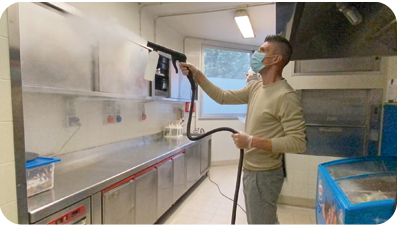
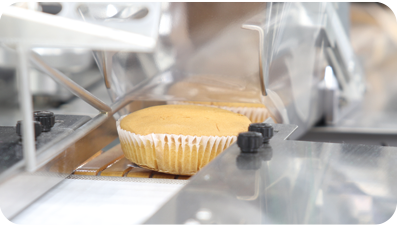
In the packaging industry, where equipment is often made of stainless steel, glass, or specialty plastics, dry steam is an ideal choice. It is also useful for cleaning conveyor belts, trays, and other components that come into direct contact with food.
Examples of application:
• Stainless steel surfaces.
• Cleaning of conveyor belts, chains, belts, rollers and packages.
• Equipment for wrapping and wrapping.
• Disinfect tanks of any size.
• Polishing of chrome surfaces.
Do you want to know more about the dry steam cleaning solutions with Dry Steam Systems?
We invite you to use the net contact form and an executive will be in touch with you as soon as possible.
México 55 4168 2184
USA (205) 235 0008
contact@drysteamsystems.com