
Industrial and production lines cleaning solutions using dry steam
Pharmaceutical industry, Coating plants, Mechanical industry, Manufacturing industry, Chemical industry.
Examples of application:
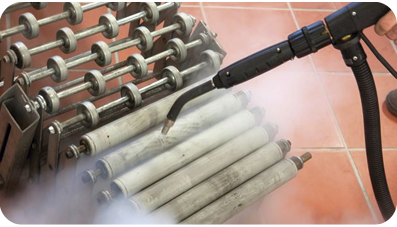
• Removal of oil-based residues.
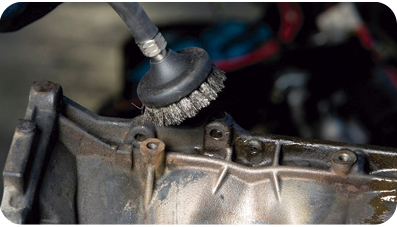
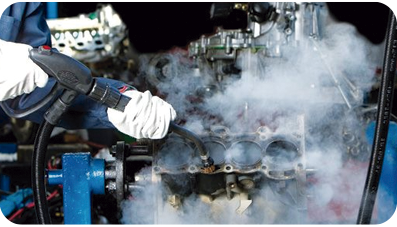
• Cleaning of engines and crankcases.
• Sanitization of filters and ventilation ducts.
• Cleaning of electrical panels.
• Degreasing and polishing of vehicle bodies.
• Cleaning of mechanical parts, alloy wheels, filters, and mesh screens.
• Floor cleaning.
• Cleaning of heat exchangers and air conditioners.
• Cleaning of transmission systems and oil sumps.
• Removal of grease and encrustations from fixed structures and weighbridges.
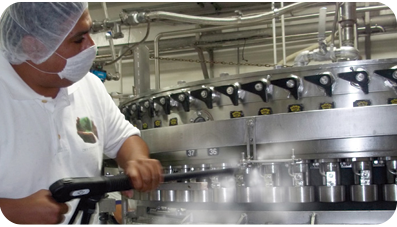

Dry steam is an innovative technology that is transforming industrial cleaning, offering fast, economical, and environmentally friendly solutions. Unlike wet steam, which contains a higher amount of suspended water and can leave moisture residue, dry steam is characterized by its low moisture content, generally less than 5%. This allows for more efficient cleaning, without leaving wet surfaces and reducing the risk of corrosion or damage to sensitive equipment.
This technology not only optimizes industrial cleaning processes, but also promotes safer and more sustainable practices. Its ability to clean, degrease, and disinfect without damaging surfaces makes it an indispensable tool for industries seeking efficiency, quality, and environmental responsibility.
Key benefits of dry steam in industry and production lines
Reduced use of chemicals
Dry steam eliminates the need for large amounts of detergents, solvents, or aggressive degreasers. By using only water heated to high temperatures, exposure to toxic substances is minimized, improving operator safety and reducing environmental impact.
Low water consumption
Unlike traditional cleaning methods, which require large volumes of water, dry steam uses a minimal amount. This not only optimizes resources, but also reduces the costs associated with wastewater treatment and disposal.
Thermal shock as a disinfectant
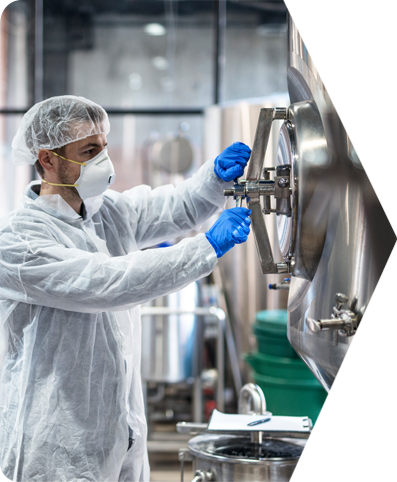
Dry steam reaches temperatures above 220°F, creating a thermal shock effect that eliminates bacteria, viruses, fungi, and other microorganisms. This process is ideal for sanitizing surfaces in the food, pharmaceutical, and manufacturing industries, where sterilization is critical.
High-temperature cleaning power
The combination of temperature and pressure dissolves and removes grease, oil, scale, and stuck-on dirt, even in hard-to-reach areas. The steam penetrates cracks and pores, ensuring deep cleaning without the need for scrubbing or mechanical force.
Compatibility with almost all surfaces
Dry steam is compatible with a wide variety of materials, including:
– Stainless steel and metals: Ideal for degreasing and cleaning machinery, tools, and structures without risk of oxidation.
– Glass: Impeccable cleaning of windows, panels, and optical equipment.
– Plastics: Safe for machinery components, containers, and sensitive parts.
– Fabrics and textiles: Effective for removing stains and disinfecting without damaging fibers.
Versatile industrial applications
Dry steam is a comprehensive solution for multiple tasks in industrial plants and production lines, such as removing greasy residues from machinery and equipment, cleaning engines, crankcases, and transmission systems, sanitizing filters, ventilation grilles, and electrical panels, degreasing and polishing car bodies and mechanical parts, cleaning floors, heat exchangers, and air conditioning systems, and removing scale from fixed structures and scales.