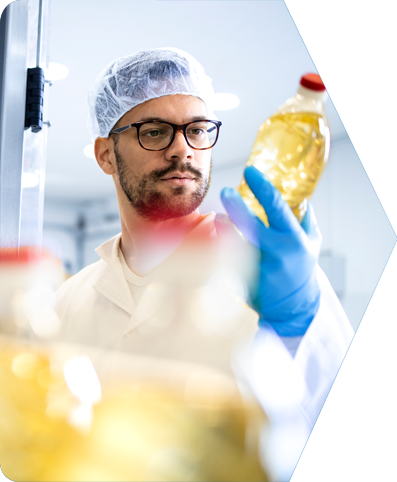

Dry steam cleaning solutions in the food industry
Confectionery industry, Snack production lines, Dried pasta manufacturers, Ready meal production lines
Examples of application:
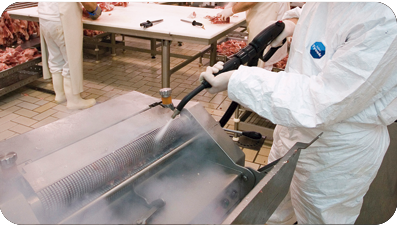
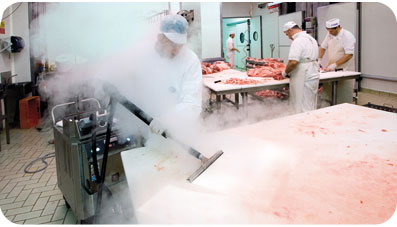
• Cleaning and degreasing of workbenches, walls, and ceilings.
• Cleaning and defrosting of cooling fins and coils.
• Chemical-free elimination of listeria in drains and pipes.
• Cleaning and maintenance of ventilation ducts
• Removal of food debris.
• Cleaning of dosing systems.
• Cleaning and disinfection of mixing tanks.
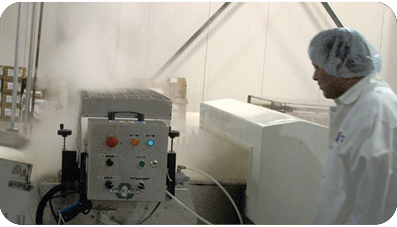
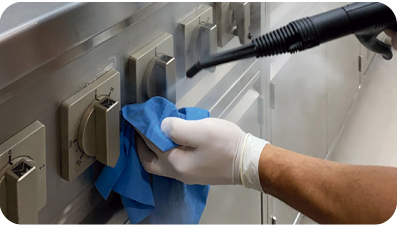
• Removal of grease from control panels and electrical boards.
• Sanitization of filters and grilles.
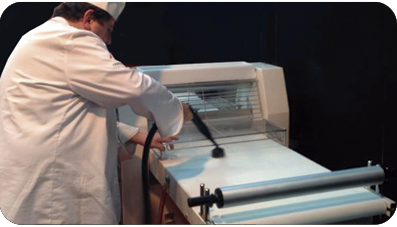
• Thorough cleaning of conveyors, chains, belts, rollers, and gaskets.
• Sanitization of refrigeration systems without removing food.
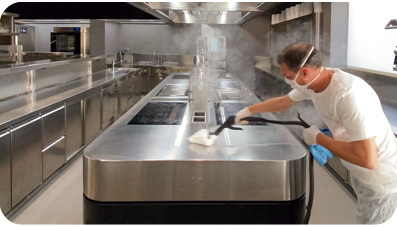
Sanitation in food processing is a fundamental pillar for protecting consumers from germs, pathogens, and bacteria that can cause serious illnesses. In the food preparation industry, rigorous cleaning and disinfection programs are mandatory to eliminate any type of harmful microorganisms.
Traditionally, this process is carried out in two stages: first, an initial cleaning with water and detergents; and second, disinfection using harsh chemicals such as chlorine, iodine, quaternary ammonium salts, acid-based substances, and formaldehyde.
However, the adoption of innovative technologies, such as industrial steam cleaning machines, is transforming this process, making it faster, more efficient, and more sustainable.
Dry steam as a cleaning solution.
Dry steam contains less than 5% moisture, making it ideal for cleaning and disinfection applications. Unlike wet steam, which has a higher water content and can leave residue or moisture on surfaces, dry steam evaporates quickly, leaving areas clean and dry. This not only speeds up the sanitation process, but also reduces the risk of bacteria proliferation on damp surfaces.
Key benefits of using dry steam in the food industry
1. Reduced use of chemicals
Dry steam eliminates up to 99.9% of bacteria, viruses, and fungi without the need for harsh chemicals. This not only protects workers’ health, but also reduces the costs associated with purchasing and handling hazardous substances.
2. Environmentally friendly solution
Unlike traditional methods that require large amounts of water to rinse surfaces, dry steam uses a minimal amount of this resource. This makes it a more sustainable and environmentally friendly option.
3. Thermal shock as a disinfectant
Dry steam reaches temperatures above 140°C, which generates a thermal shock, effectively destroying microorganisms, viruses, and fungi. This method is especially useful for eliminating pathogens that are resistant to chemical disinfectants.
4. High-temperature cleaning power
The high temperature of the steam not only disinfects, but also dissolves and removes grease, oil, and dirt residues adhering to surfaces. This ensures deep cleaning without the need for manual scrubbing.
5. Compatible with almost every surface
Dry steam is safe to use on a wide variety of materials, such as stainless steel, glass, plastics, and fabrics, without causing damage or corrosion. This makes it ideal for equipment, machinery, trays, utensils, and even hard-to-reach areas.
6. Ideal for the food industry
Thanks to its versatility, dry steam is perfect for disinfecting production lines, cold rooms, packaging and transport areas, as well as surfaces in direct contact with food.
The implementation of industrial steam machines in the food industry not only optimizes cleaning and disinfection processes, but also promotes sustainability and safety. By reducing the use of chemicals, saving water, and ensuring total sanitation, dry steam is positioned as an innovative and efficient solution for the current demands of the sector.