
Dry Steam Cleaning for Cosmetics Manufacturers
Manufacturers of beauty products, Manufacturers of body cleaning products, Soaps and detergent production lines
Ejemplos de aplicación:
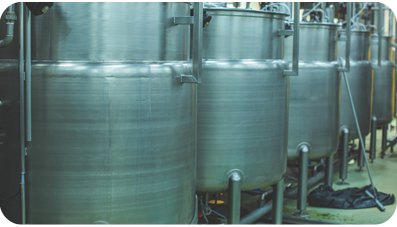
• Tanks and containers.
• Protein elimination.
• Fillers.
• Conveyor belts.
• Packers.
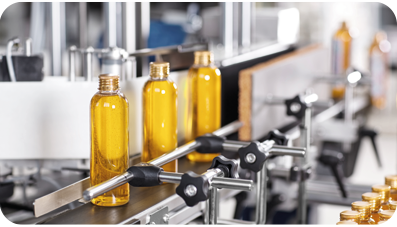
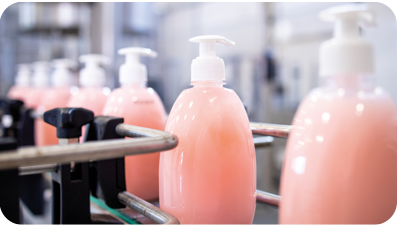
• Cleaning of production lines and bottling plants.
• Removal of deposits from conveyor belts and gears.
• Elimination of process residues.
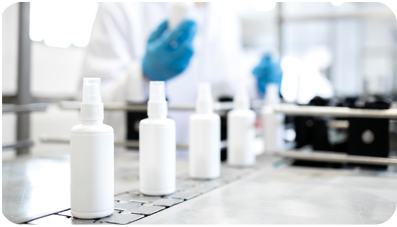
• Sanitization of laboratories.
• Cleaning of dispensers.

The production of soaps, detergents, and cosmetics requires impeccable working environments, but greasy residues, encrustations of solidified products, and slippery floors can become safety and hygiene hazards. Equipment such as mixers, boilers, and packaging lines accumulate residues that are difficult to remove, while traditional cleaning methods using water or pressure jets are often insufficient and can even aggravate the problem by spreading residues or generating moisture that promotes the proliferation of bacteria.
Dry steam is the ideal solution, a technology that combines precision, speed, and sustainability, transforming industrial cleaning protocols.
And if there is any doubt, dry steam cleaning not only solves hygiene problems, but also optimizes cleaning times compared to traditional methods, offers less corrective maintenance of machinery by preventing the accumulation of residues, and protects operators with safer environments with fewer slips, less exposure to chemicals, and less physical effort.
What is the difference between dry steam and normal steam?
Dry steam is so called because its moisture content is less than 5%. It is generated at high temperatures between 140°C and 180°C and under controlled pressure, which makes it radically different from traditional wet steam. While normal steam leaves water residue that can damage surfaces or require additional drying, dry steam:
– Evaporates instantly, eliminating the need for cloths or waiting times.
– Penetrates cracks and joints without dispersing dirt, ideal for complex machinery.
– Reduces the risk of corrosion in metals and prevents damage to sensitive materials such as plastics or electronics.
Key benefits for the cosmetics and cleaning industry
Disinfection without harsh chemicals
The thermal shock of steam, at over 212°F, eliminates 99.9% of bacteria, viruses, mold, and mites without the need for toxic detergents. This not only reduces chemical costs, but also complies with strict hygiene regulations, such as those of the FDA. In addition, it protects operators from exposure to irritants and prevents chemical residues on surfaces that come into contact with end products.
Water savings, an eco-friendly solution
Compared to traditional methods that consume large amounts of water, dry steam uses up to 90% less water. A single liter of water converted into steam can clean large areas, which translates into a smaller water footprint for your company, reduced wastewater treatment costs, and alignment with ESG objectives.
The power of temperature provides effortless deep cleaning
The high temperature of the steam softens and breaks down grease, oil, solidified soap, and organic residues, making them easy to remove with a simple wipe or brush. This is especially useful for:
– Stainless steel: Removes scale from tanks and pipes without scratching.
– Glass: Leaves crystal surfaces (such as containers or screens) spotless and mark-free.
– Plastics and polymers: Cleans injection molds or conveyor belts without deforming them.
– Fabrics and filters: Ideal for drying blankets or textile equipment on production lines.
Versatility and safety on any surface
Unlike abrasive or corrosive products, dry steam is compatible with almost all materials. It does not damage paint, epoxy coatings, or delicate surfaces. It can be used near electrical circuits without risk of short circuits, as there is no liquid water. It is food safe (in the case of dual-use plants).