
Dry steam cleaning solutions in the baking industry
Bakeries, Pastries, Industrial ovens.
Examples of application:
• Oven cleaning.
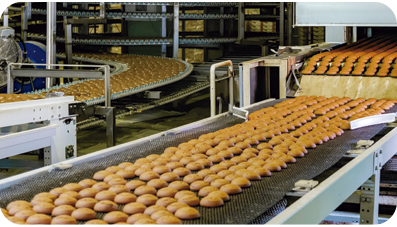
• Automatically clean and disinfect flat and mesh conveyor belts.
• Clean and disinfect any surface, including all production, processing, and packaging equipment.
• Disinfection of refrigeration systems.
• Cleaning of grease buildup on floors, walls, ceilings, baseboards, ventilation grilles, and dryers.
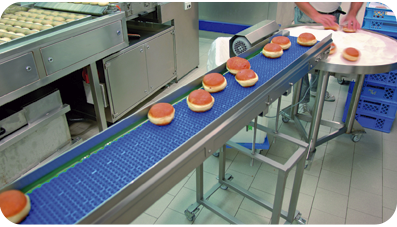
In the baking industry cleaning and disinfection are not just routine processes, they are fundamental pillars for ensuring food safety, product quality and consumer protection.
The accumulation of residues such as flour, grease, oil, and mold not only affects the taste and texture of products, but can also become a breeding ground for bacteria, fungi, and other pathogenic microorganisms. These contaminants can cause food poisoning, allergies, or even disease outbreaks, putting customers’ health and the company’s reputation at risk.
In an environment where traceability and quality standards are increasingly demanding, maintaining a high level of hygiene is essential to comply with local and international regulations, such as those established by the FAO, WHO, or food safety agencies such as COFEPRIS in Mexico.
In addition, proper cleaning also extends the life of equipment, reduces the risk of mechanical failure, and optimizes operational efficiency.
Dry Steam for Professional Cleaning
Dry steam is a technology that uses high-temperature water vapor, between 266°F and 356°F, with minimal moisture content (less than 5%). Unlike wet steam, which can leave water residue and increase ambient humidity, dry steam is more efficient at disinfecting and cleaning without affecting the work environment.
Key benefits of using dry steam in the baking industry
1. Consumer Protection and Food Safety
Dry steam eliminates up to 99.9% of bacteria, viruses, and fungi, including common pathogens such as Salmonella, E. coli, and Listeria, which can cause serious foodborne illnesses. By not using harsh chemicals, cross-contamination is avoided and the final products are guaranteed to be safe for consumption.
2. Reduced Use of Chemicals
Traditional cleaning methods often rely on caustic detergents, bleaches, and chemical disinfectants, which can leave toxic residues on surfaces and equipment. Dry steam eliminates the need for these products, reducing the risk of exposure for workers and preventing food contamination.
3. Low Water Consumption and Sustainability
Dry steam uses up to 80% less water than traditional methods, which not only reduces operating costs but also contributes to more sustainable practices. In a context where water scarcity is a global concern, this technology aligns with companies’ environmental responsibility goals.
4. Thermal Shock as a Natural Disinfectant
The high temperature of the steam causes a thermal shock that instantly destroys microorganisms, without the need for chemical agents. This process is especially effective on porous or difficult-to-clean surfaces, such as joints, cracks, and equipment with electronic components.
5. High-Temperature Cleaning Power
The heat of dry steam breaks down grease, oil, and flour residue, even in hard-to-reach areas. This is crucial in equipment such as mixers, ovens, and conveyor belts, where residue buildup can affect performance and product quality.
6. Compatibility with Different Surfaces
Dry steam is safe for use on:
– Stainless steel (equipment and utensils).
– Glass (display cases and surfaces).
– Heat-resistant plastics (containers and components).
– Fabrics (aprons, curtains, and filters).
– Sensitive surfaces, such as electronic equipment and scales.
7. Ideal for Sensitive Equipment
Unlike traditional methods that can damage electronic components or leave residue, dry steam is safe for cleaning sensitive equipment such as digital scales, control panels, and sensors without the risk of corrosion or short circuits.
The implementation of dry steam in the baking industry not only improves hygiene and food safety, but also optimizes cleaning processes, reduces costs, and promotes sustainable practices. In a market where consumers increasingly demand transparency and quality, this technology is positioned as a comprehensive solution to ensure safe products, durable equipment, and a healthy work environment.